

High-Quality Truck Body Material from Trusted Suppliers
When it comes to selecting the right truck body material, I can’t stress enough how crucial it is to prioritize high-quality options. As a B2B purchaser, I’ve found that the durability and reliability of the materials can significantly impact the overall performance of the trucks. I’ve partnered with several suppliers who specialize in top-notch truck body materials, and I’ve always been impressed with their commitment to quality. Whether it's aluminum for lightweight strength or steel for enhanced durability, the right choice can make all the difference in your operations. Choosing high-quality materials not only ensures longevity but also enhances safety for drivers and cargo. It’s essential to work with suppliers who understand the unique demands of your business and can provide tailored solutions. Trust me, investing in the proper truck body material is an investment in efficiency and reliability for your fleet.


Truck Body Material Winning in 2025 Your End-to-End Solution
In the rapidly evolving landscape of transportation, the demand for innovative truck body materials is set to rise significantly by 2025. As industries prioritize durability, weight reduction, and fuel efficiency, composite materials have emerged as the frontrunners in addressing these challenges. Offering superior strength-to-weight ratios and enhanced resistance to corrosion, these materials not only extend the lifespan of truck bodies but also contribute to significant savings in operational costs. The adoption of advanced composite materials presents an end-to-end solution for manufacturers and procurement professionals alike. From the initial design phase to production and assembly, leveraging cutting-edge technology in composite engineering can lead to streamlined processes and improved product performance. As global suppliers embrace these innovations, they create opportunities for businesses to stay competitive by reducing their environmental footprint while meeting stringent regulatory requirements. As we approach 2025, the focus on sustainable and efficient trucking solutions will only intensify. It is crucial for procurement managers to consider the long-term benefits of investing in high-performance composite materials. By aligning with forward-thinking suppliers, companies can ensure their fleets are not only built for today's demands but are also future-proofed against the ongoing evolution of the transportation industry.
Truck Body Material Winning in 2025: Your End-to-End Solution
| Material | Weight (kg/m2) | Durability Rating | Corrosion Resistance | Cost Effectiveness |
|---|---|---|---|---|
| Aluminum | 3.0 | High | Excellent | Moderate |
| Steel | 7.8 | Medium | Fair | Low |
| Fiberglass | 2.0 | High | Excellent | High |
| Composite | 4.5 | Very High | Excellent | Moderate |
| Plastic | 1.5 | Low | Good | High |
Related Products


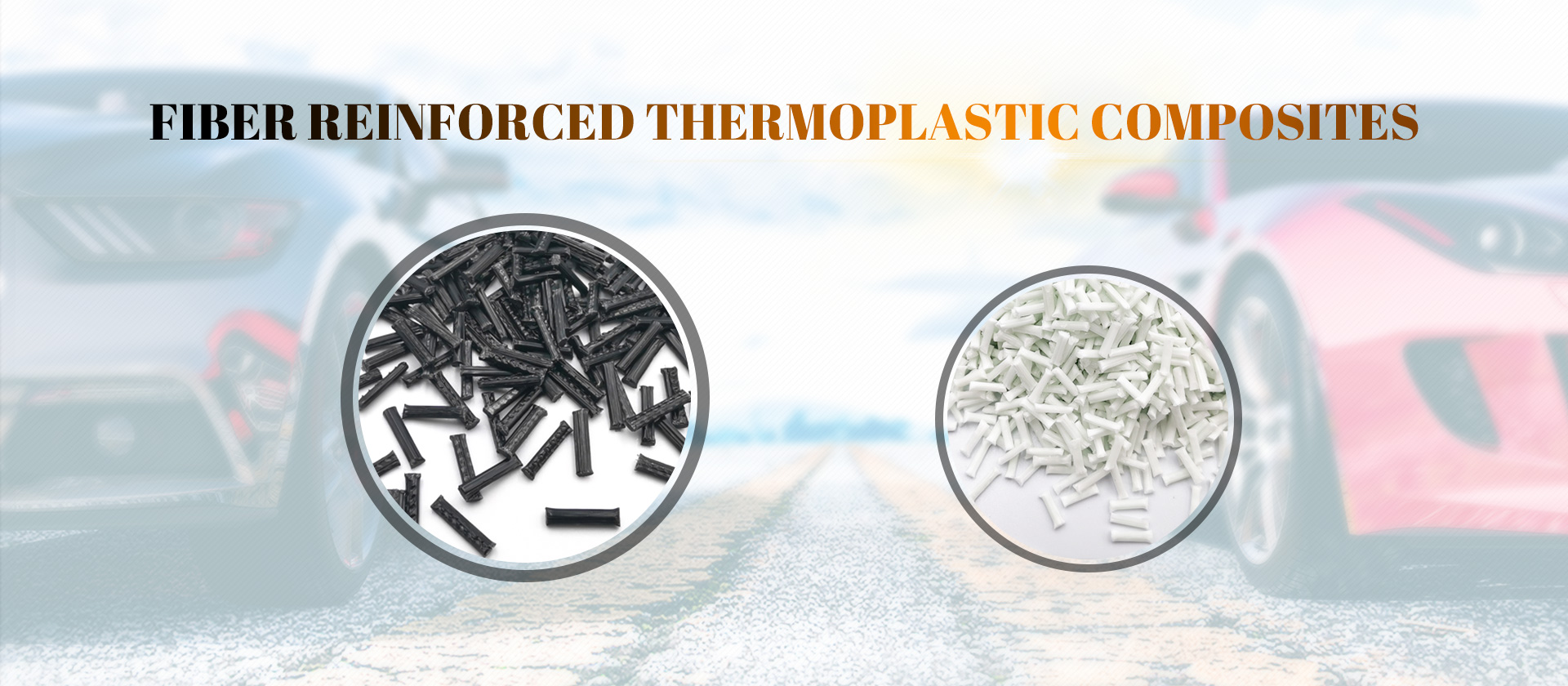
Truck Body Material Products Manufacturers You Can Rely On
Top Selling Products


- Related Blog
- Reviews
