

PP - Carbon Fiber Reinforced Wholesale Manufacturers
We offer the {PP - Carbon Fiber Reinforced} solutions that serious buyers in automotive, aerospace, and industrial goods rely on. We are a steady partner for {Wholesale} needs and for {Manufacturers} looking to scale. Our material blends polypropylene with carbon fiber for high stiffness, excellent impact resistance, and lighter weight without compromise. It performs in injection molded parts, structural components, and reinforced housings. You can expect tight tolerances, stable processing, and compatibility with standard equipment. We tailor fiber loading, surface finish, and color options to meet design goals. Whether you need rapid prototyping or full scale production, we can align with your schedules, cost targets, and certification requirements. We provide consistent quality, reliable supply, and technical support from design to production. Partner with us to improve performance while controlling total cost of ownership. Reach out with volume, lead times and packaging preferences. {Wholesale} and {Manufacturers} are welcome.


PP - Carbon Fiber Reinforced More Than a Supplier - A Partner Outperforms the Competition
In today’s global procurement landscape, carbon fiber reinforced polypropylene is more than a material—it's a performance platform. By combining a polypropylene matrix with high-modulus carbon fibers, this composite delivers light weight, high stiffness, strong impact resistance, and chemical durability. It suits automotive parts, housings, and other demanding components; a true partner ensures consistent resin-to-fiber ratios and scalable production from prototype to series. What sets a partner apart is end-to-end support: design-for-manufacture guidance, standardized testing, traceable lots, and flexible supply options that reduce risk and total cost of ownership. Global buyers need reliable supply, on-time delivery, transparent pricing, and sustainable practices driven by data. When engineering excellence aligns with disciplined sourcing, the partnership outperforms the competition—turning advanced materials into reliable, cost-efficient solutions for a wide range of industries.
{ PP - Carbon Fiber Reinforced More Than a Supplier - A Partner Outperforms the Competition}
| Material | Matrix Type | Fiber Content (vol%) | Tensile Strength (MPa) | Tensile Modulus (GPa) | Flexural Strength (MPa) | Density (g/cm³) | Operating Temp (°C) | Thermal Conductivity (W/m·K) | Applications |
|---|---|---|---|---|---|---|---|---|---|
| CFRP – Epoxy | Epoxy | 58–65 | 1000–1600 | 120–150 | 900–1600 | 1.58–1.60 | 120–180 | 0.9–1.6 | Aerospace primary structures; structural components |
| CFRP – PEEK | PEEK | 60–65 | 1100–1500 | 110–140 | 900–1400 | 1.59–1.60 | 260–270 | 0.7–1.2 | Aerospace components; high-temperature parts |
| CFRP – Cyanate Ester | Cyanate Ester | 58–64 | 1000–1400 | 110–125 | 850–1200 | 1.56–1.58 | 180–230 | 1.0–1.5 | Electronics housings; radome components |
| CFRP – BMI | BMI | 60–65 | 900–1200 | 110–140 | 800–1100 | 1.56–1.58 | 240–260 | 0.9–1.3 | Aerospace engine components; high-temperature structures |
| CFRP – Vinyl Ester | Vinyl Ester | 58–64 | 800–1200 | 80–120 | 700–1100 | 1.58–1.60 | 200–230 | 1.2–2.0 | Automotive frames; wind turbine blades |
| CFRP – PPS | PPS | 58–63 | 900–1300 | 110–140 | 800–1100 | 1.58–1.60 | 180–230 | 2.0–3.0 | Industrial components; chemical processing equipment |
Related Products


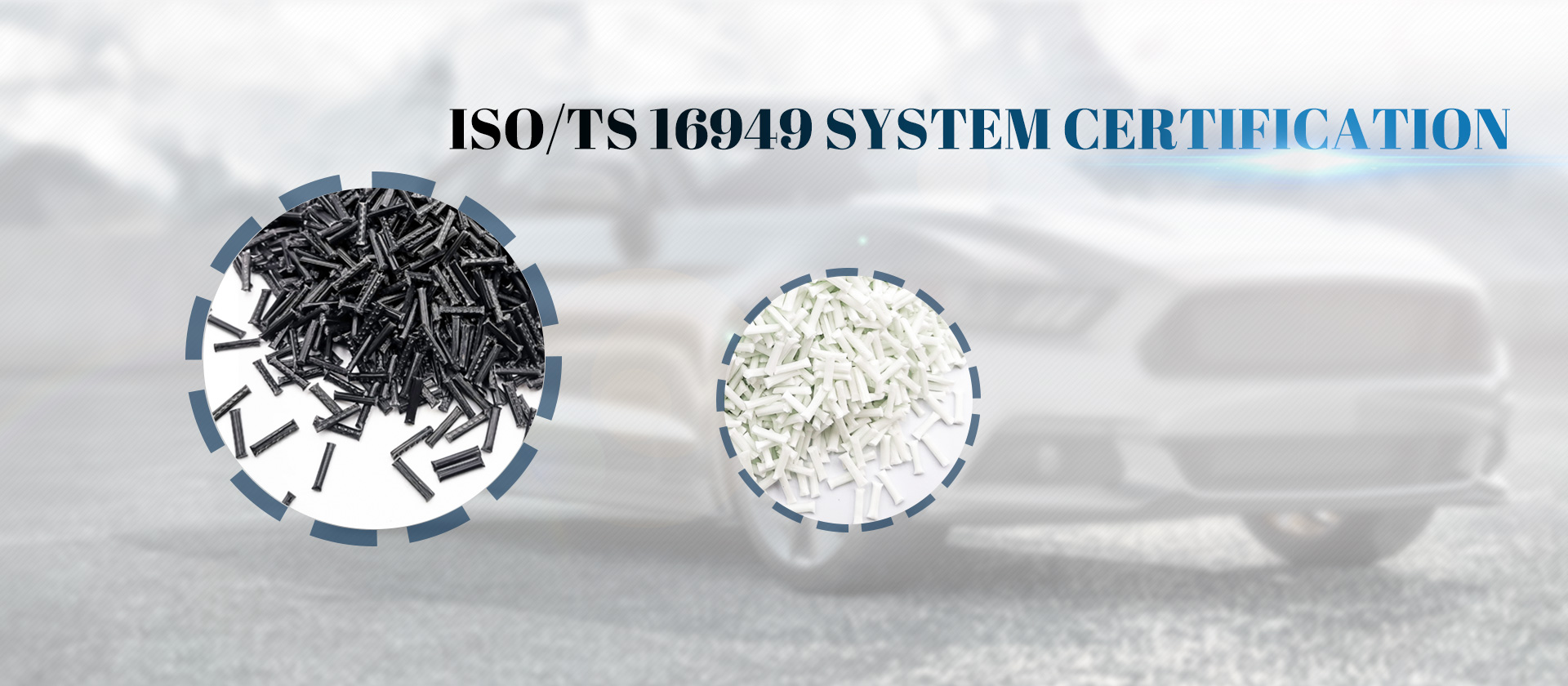
PP - Carbon Fiber Reinforced Products Sets the Industry Standard
Top Selling Products


- Related Blog
- Reviews

-

Phone
-

E-mail
-

Top